As wild catch fisheries reach their limits, aquaculture emerges as an environmentally sustainable and healthy alternative to both wild-caught seafood and traditional meat products. Increased seafood consumption aligns with several United Nations Sustainability Goals, highlighting the vital role of aquaculture in supporting global protein demand.
Norway stands as the world’s largest producer of farmed salmon, trout and cod, producing approximately 48 million meals each day. The world needs more protein, more healthy food, and production that withstands today’s challenges, and Norway has the prerequisites to contribute further.
The year 2026 is "Totalforsvarsåret” (Total Defense Year), but it is striking how little the seafood industry is integrated into national emergency preparedness plans. We must think holistically, where industrial policy plays a key part of the emergency policy, integrating technology, logistics, and regional measures. The coast is part of Norwegian identity, blending culture, history, and way of life. With ongoing innovations and operational improvements, Norway’s production capacity has the potential to double within the next decade. This growth is particularly significant in the context of the escalating global tensions, uncertainty, and conflict, all of which underscore the importance of food security. By expanding its aquaculture industry, Norway can not only secure its own food supply but also play a crucial role in feeding Europe’s.
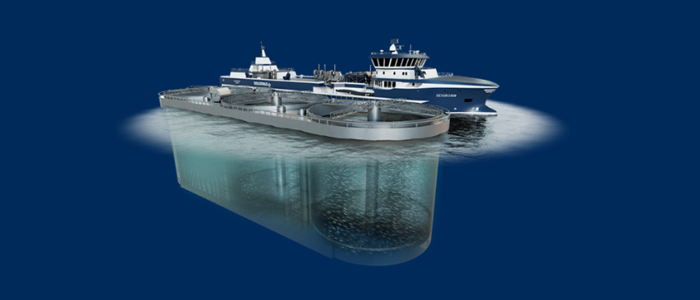
Achieving sustainable industry growth requires a significant transformation within aquaculture. The path is clear, fish welfare must be enhanced, since high mortality levels are both costly and unsustainable. Environmental impacts must be reduced, with technological advancements, such as closed fish farming leading the way. While the Norwegian government supports these efforts, the industry needs broader incentives to enable widespread adoption of clean fjord farming beyond the current environmental technology scheme and reduced maximum allowed biomass.